
By Amy Lupton
When someone we love passes away, the grief settles deep into our bodies. In the first days, there's room for it. People bring casseroles, send flowers, and sit with us in the hard moments. Then the world starts moving again, and somehow we're expected to move with it.
But grief doesn't leave just because time passes. It waits in the quiet places. It shows up when a certain song plays in the grocery store, when we smell their perfume on a stranger, or when our phone surprises us with a photo from years ago.
Grief is simply love that is still looking for a home.
What if we gave it somewhere to go?
A Season for Remembering
The end of October and the first days of November have long been a sacred time for remembering the ones we've lost. Many of us grew up knowing this season only as Halloween, with costumes and candy. The name itself carries something holy. Halloween comes from All Hallows' Eve, the evening before All Hallows' Day, which we now call All Saints' Day, on November 1. The word "hallow" simply means holy, the same word we pray in "hallowed be Thy name".
October 31 begins a three day Christian season called Allhallowtide. It starts with All Hallows' Eve, continues with All Saints' Day on November 1, and closes with All Souls' Day on November 2, a day set apart to pray for all who have passed.
Halloween also carries older roots in the Celtic harvest festival of Samhain, which marked the turn from the light half of the year to the dark. Long before plastic pumpkins and costume aisles, this was a holy season of prayer, candlelight, and remembering the saints and the souls we love.
The Sacredness of Día de los Muertos
In Mexico, this same season holds one of the most beautiful traditions in the world: Día de los Muertos, the Day of the Dead. It is not a sad holiday, and it is not a spooky one. It is a celebration of love that outlasts death.
Día de los Muertos grew from the ancient Indigenous peoples of Mesoamerica, including the Aztec, Maya, and Toltec, who had special times each year to honor their loved ones who had passed.
When the Spanish arrived, those traditions blended with the Catholic feasts of All Saints' and All Souls' Day, creating something new and deeply meaningful.
The festival also falls at the end of the corn harvest, a time of gathering and gratitude.
The heart of the tradition is this: for a few sacred days, the souls of those we love are believed to return home to visit their families. Instead of greeting them with fear or sorrow, families welcome them with flowers, candles, music, their favorite foods, and stories told around the table.
Death is treated as a natural part of life's cycle, and the bond between the living and the departed is honored rather than hidden.
There is something so healing about that. Grief and joy can sit at the same table. We can cry because we miss them and laugh at the same time as we remember the way they told a story.
Healing doesn't mean forgetting. It means finding a new way to stay connected.
When the Days Are Honored
Every region, community, and family celebrates a little differently. November 1 is often set aside for children who have passed, and November 2 for adults. In some places, the remembering begins even earlier, in the last days of October.
Many families also make space to honor beloved pets who shared their lives with us.
However you choose to observe these days, let it come from your heart.
How the Lupton Family Honors the Day
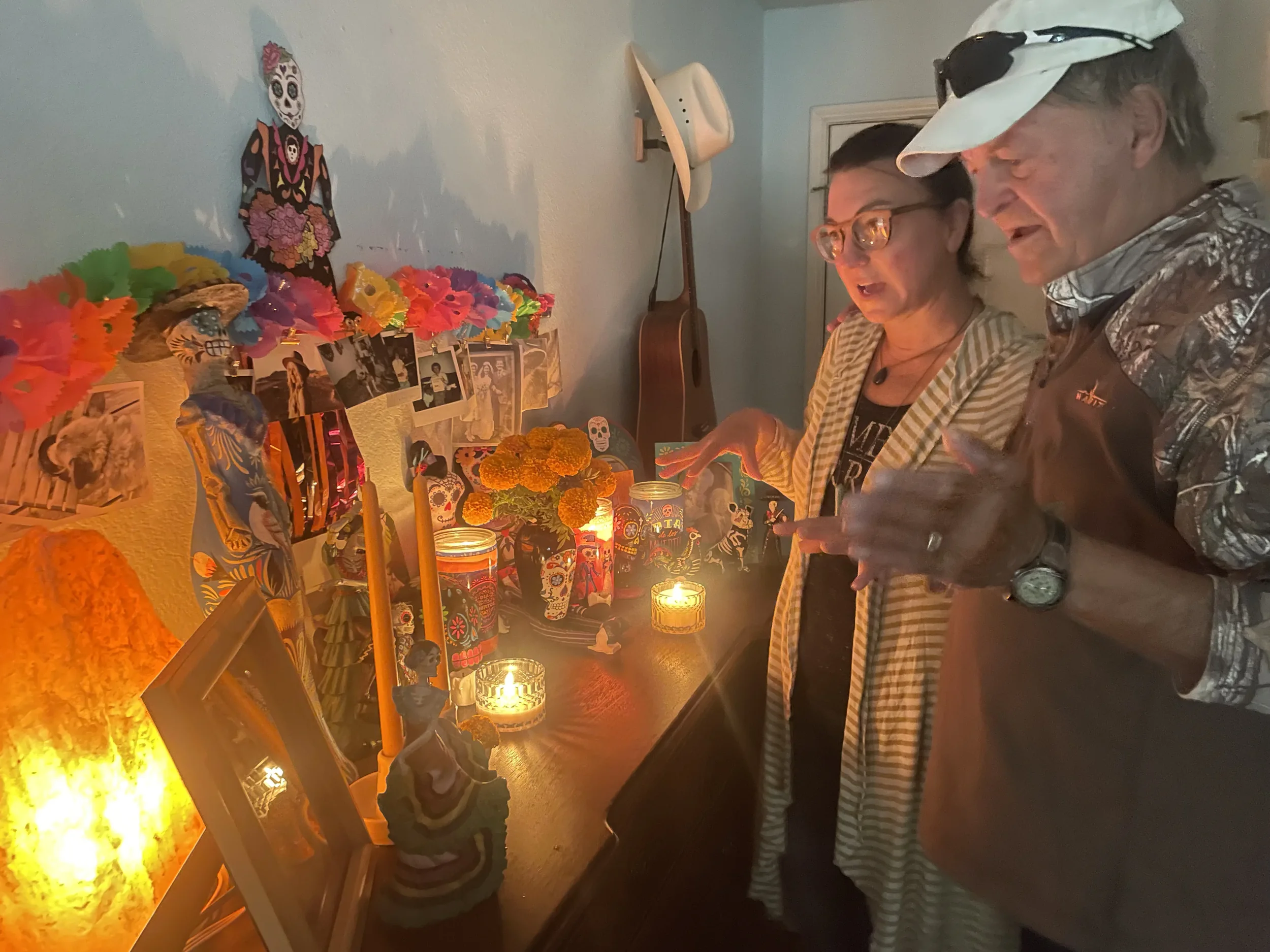
In our family, Día de los Muertos is centered around the table. We cook a big meal together, often with dishes our loved ones made for us or loved to eat, and we gather everyone close.
Then we talk. We say their names out loud. We tell the funny stories, the tender ones, and the ones we've heard a hundred times but still love to hear again. Some years there are tears, and every year there is laughter.
We believe that when we speak about the people we love, their memories stay alive in us, all the way down to our DNA. Their strength, their humor, their faith, and their love are woven into who we are. Every time we tell their stories, we keep that thread strong and pass it on to our children and grandchildren. That's how they stay with us, not just in photos on a shelf, but in our hearts, our habits, and our very bones.
Creating an Ofrenda as a Family
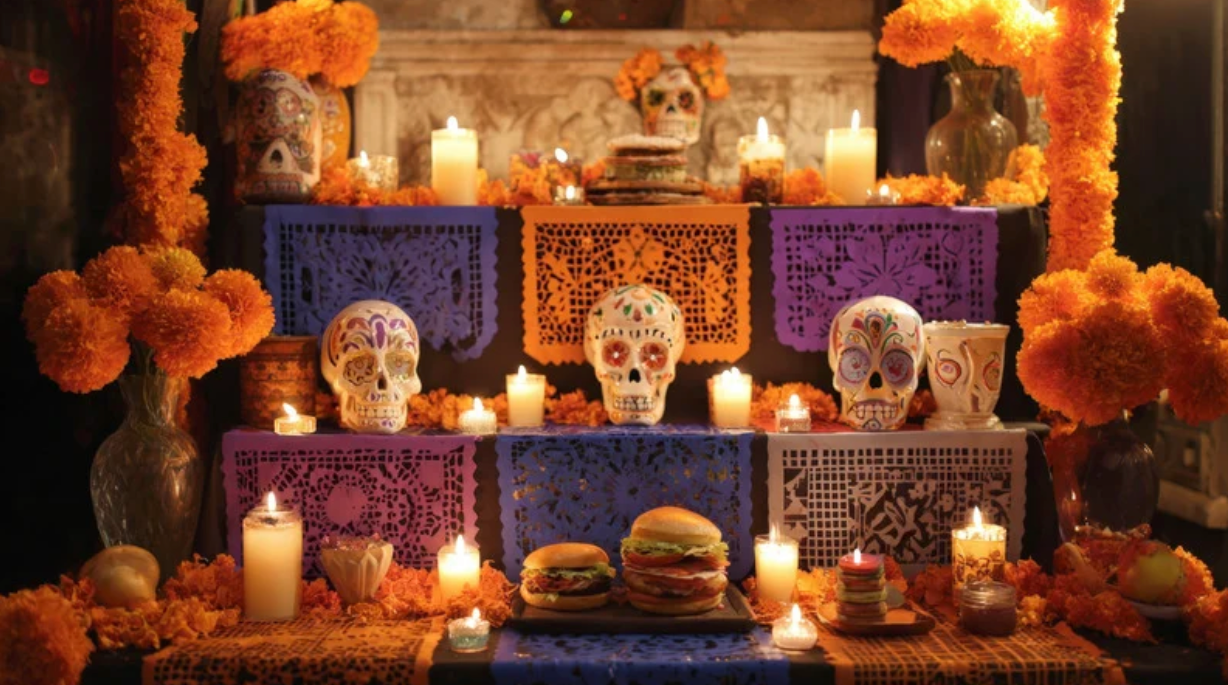
The ofrenda, or home altar, is the center of the celebration for many families. It doesn't have to be large or elaborate. A small table, a shelf, or the top of a dresser or side of the TV can become sacred when it's prepared with love.
Many families set theirs up in the last week of October and keep it through November 2.
Here are a few things to place on your ofrenda:
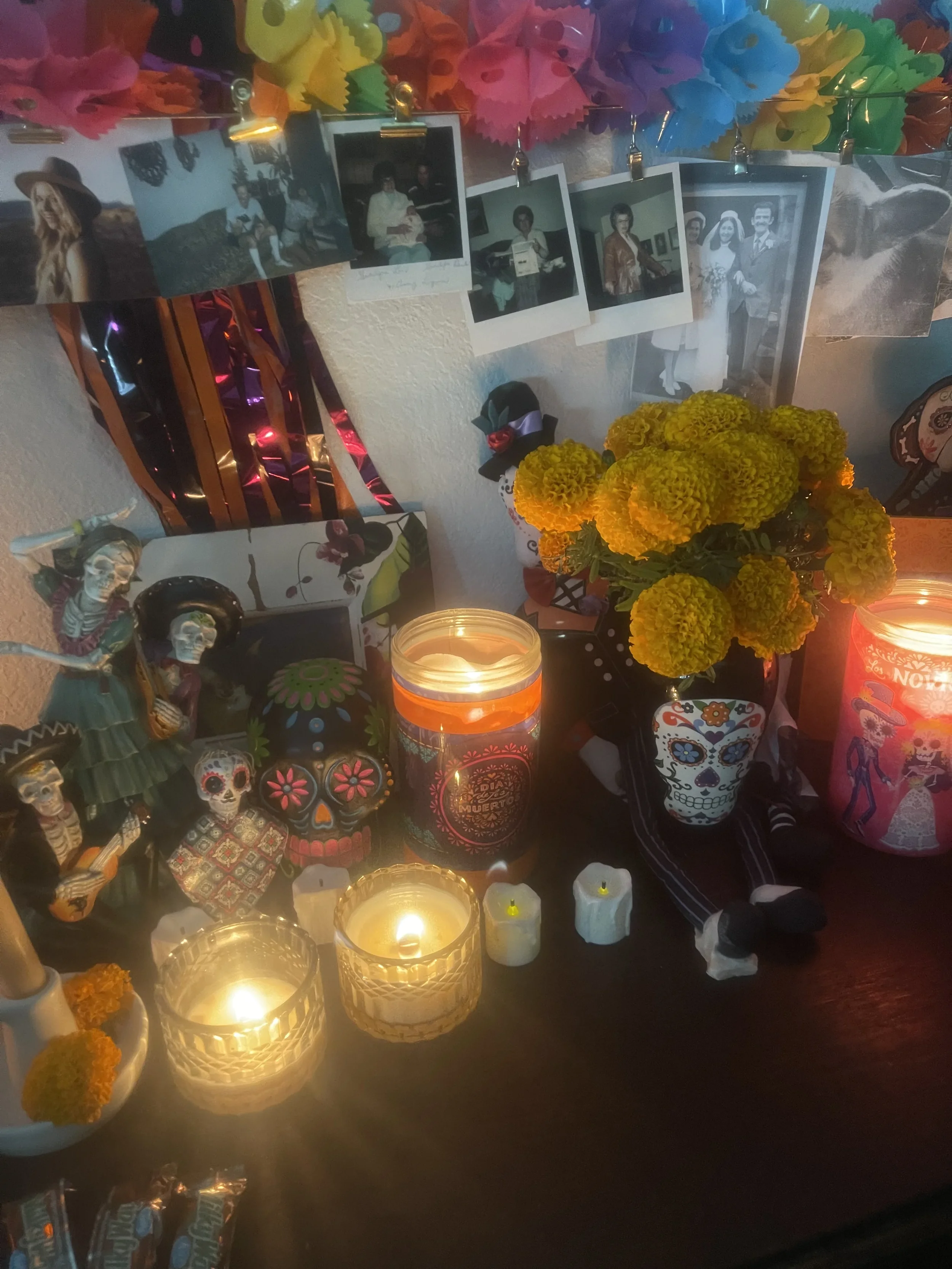
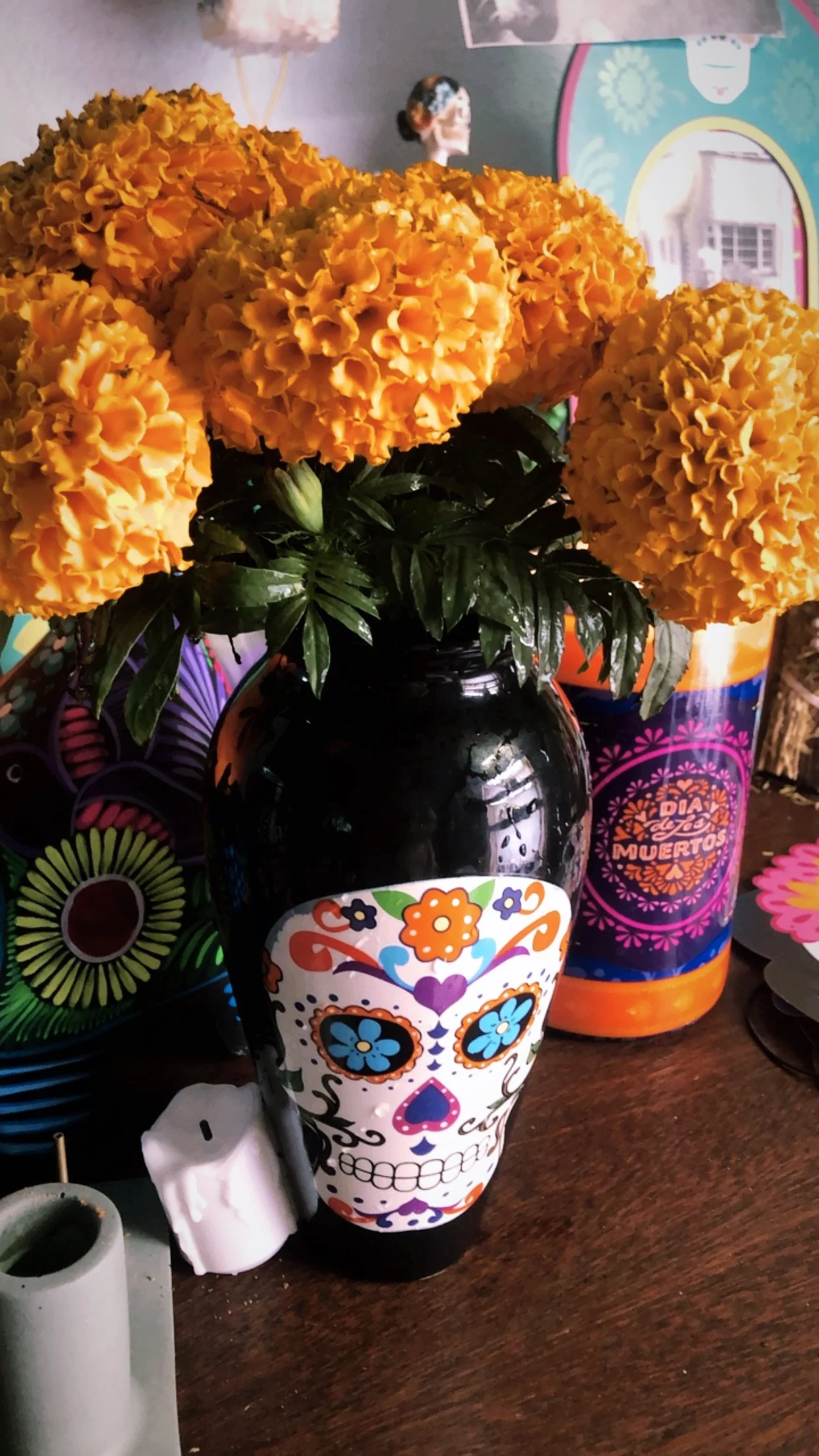
Marigolds. The bright orange cempasúchil, a marigold native to Mexico, is the traditional flower of the holiday. Its strong scent and glowing color are said to guide souls home. You can also add flowers that were special to your loved one such as roses, sunflowers etc.
Candles. Light for the journey home, and a gentle reminder that love still shines.
Water. Offered to refresh the souls after their long travels.
Salt. A symbol of purification and protection.
Copal or incense. Used to cleanse and bless the space.
Their favorite foods. Fruit, a cup of coffee, a favorite dish, or a little sweet treat. If Grandma always had tea and cookies, eat tea and cookies. If Grandpa loved pecan pie, bake one together.
Photos and keepsakes. A picture of each loved one, along with something that tells their story: a rosary, a fishing lure, a recipe card in their handwriting, a well worn baseball cap.
Ways to Honor the Day With Your Children
Children are wonderfully open to this kind of remembering. It gives them a safe, loving way to talk about death and to know the family members they may never have met.
Tell the stories. Gather around the table or the ofrenda and share memories. What made Great Grandpa laugh? Where did Aunt Rosa grow up? Let the kids ask questions.
Cook together. Make a loved one's favorite recipe as a family. Cooking is one of the oldest ways we show love, and food holds memory like nothing else.
Write letters. Invite everyone, little ones included, to write or draw a letter to someone who has passed. Place the letters on the altar.
Make something by hand. Paper marigolds, colorful paper cutouts, or decorated sugar skulls are joyful, hands on ways to prepare.
Play their music. Fill the house with the songs they loved. Dance if you feel like it.
Pray and give thanks. Light the candles together, say a prayer, or simply sit in a few minutes of quiet gratitude for the lives that shaped yours.
Grief and the Autumn Season
In Chinese medicine, autumn is the season of the Lungs, and the emotion connected to the Lungs is grief. It's a time when nature lets go. Leaves fall, gardens rest, and the days grow shorter. Our bodies and hearts are asked to let go too. Grief that is never felt can sit heavy in the chest. Grief that is honored, breathed through, and shared moves more gently through us.
This is a beautiful time to slow down, take deep breaths, drink warm nourishing teas, eat cozy cooked meals, and give yourself permission to feel. Rituals like the ofrenda and the family table give our love a place to land.
Love Lives On
Whether you light a candle on All Hallows' Eve, pray on All Saints' and All Souls' Day, or gather your family for a big meal and a night of stories, these sacred days invite us to remember that our loved ones are never truly gone.
They live on in our stories, our recipes, our laughter, and the way we love our own families.
As you honor Día de los Muertos, do it with respect for the Mexican and Indigenous families who have carried this tradition for generations. Learn its history, support local Latino artists and bakeries, and let it open your heart.
This year, set a place for love at your table. Say their names out loud. Light the candle. Tell the story one more time. Because the love we share with them is still here, glowing like a candle on the altar.
Will you be gathering your family this year? Who will you be remembering?