
Men’s Health Is A Family Value
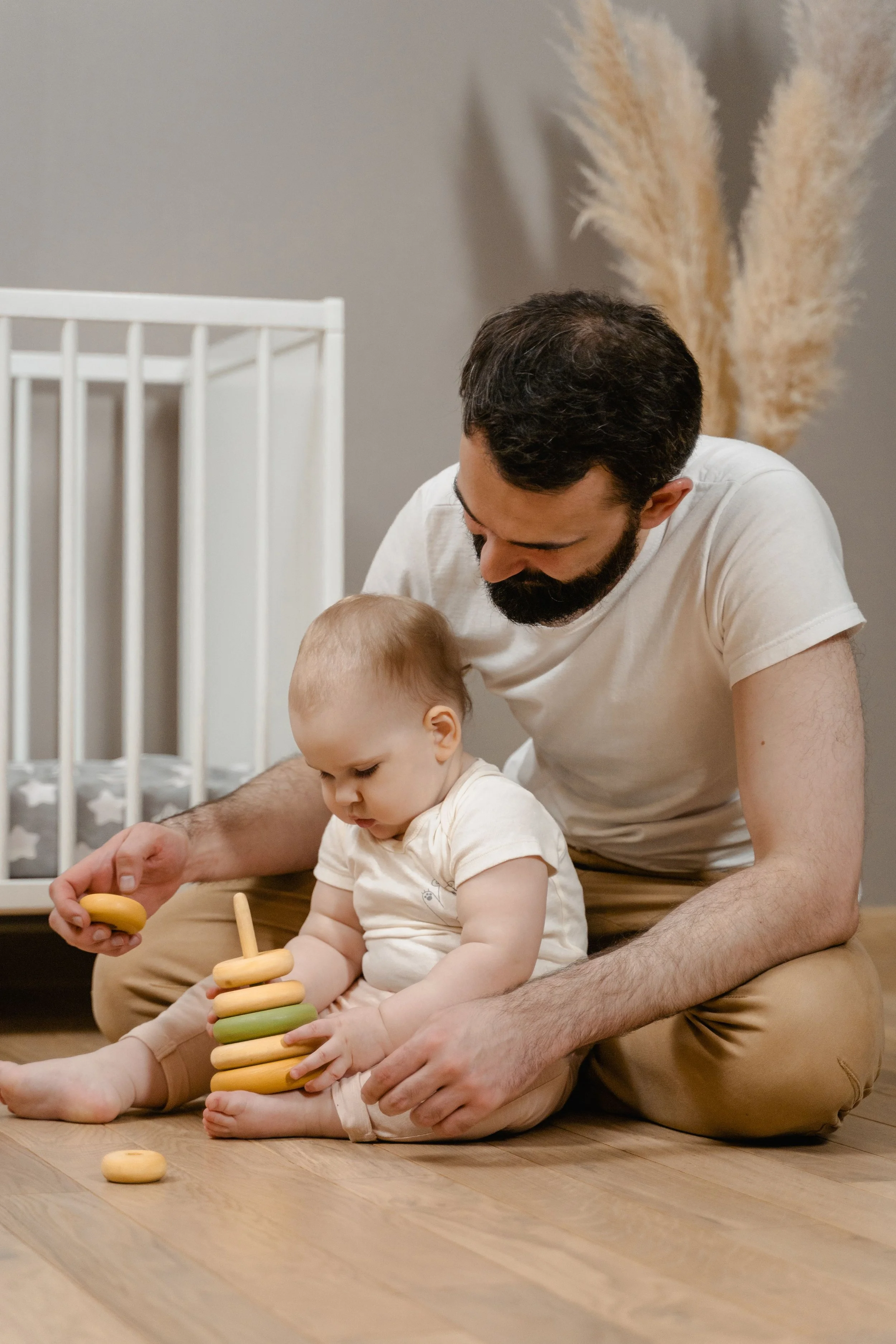
Most men were taught that being a good man means being strong, steady, and self‑sacrificing. Health becomes something they’ll get to later, after work, kids, and responsibilities are handled.
By the time symptoms show up, they’re hard to ignore: weight gain, rising blood pressure, fatigue, irritability, low libido, more aches and pains, and a general sense of feeling flat.
Energy and patience shape the emotional tone at home.
Physical strength shapes what he can do with his kids or partner.
Mood and stress tolerance shape how conflict is handled or avoided.
Honoring men means honoring their bodies as well as their roles. Men’s health isn’t just about lab numbers; it’s about keeping fathers, uncles, partners, and grandfathers…present, capable, and vibrant in the story for as long as possible.

Men Thrive On Challenge, Purpose, And Strength
Most men don’t need another lecture; they need a framework that fits how they’re wired. In general, many men do well with:
Clear structure: Routine often suits men, consistent wake times, meals, movement, and bedtime.
Physical challenge: Strength training, martial arts, sports, hiking, or physically demanding hobbies tap a deep need to use the body, not just sit at a desk.
Mission and purpose: Health is easier to care about when it’s tied to something bigger, being able to carry a toddler, coach a team, build a business, or grow old with a partner.
Simple routines: Most men don’t want twenty steps. They need clear, doable habits that fit real life.
When health advice ignores that, it’s easy for men to check out. When it honors it, they often come alive.
Simple, High‑Impact Health Practices For Men
Strength Training 2–3x Weekly
Building and protecting muscle is one of the most powerful things a man can do for blood sugar, joint health, testosterone, mood, and longevity. This doesn’t have to mean a gym obsession. It might look like:
30–40 minutes of lifting a few days a week
Bodyweight training at home
A simple routine built around: push, pull, squat, hinge, carry
Muscle is metabolically active tissue; it supports steadier energy, better insulin sensitivity, and the strength to keep doing the things that matter most.
Daily Movement With Family
Health becomes easier when it’s shared instead of added on.
After‑dinner walks with kids or a partner
Weekend hikes, bike rides, or backyard games
Yard work or projects that get everyone outside
Movement then becomes connection, not just another task on his to‑do list.
Food As A Daily Hormone And Energy Tool
Instead of chasing extreme diets, most men do incredibly well with steady, protein‑forward, blood‑sugar‑balanced eating.
Protein‑Forward, Blood‑Sugar‑Steady Meals
Many men feel and function better when they:
Anchor each meal with a solid source of protein (eggs, grass‑fed beef, chicken, fish).
Add color from fruits and vegetables for fiber, vitamins, and antioxidants.
Minimize constant snacking and sugary drinks that spike and crash energy.
Keeping it simple doesn’t mean eating poorly; it means building meals that support focus and stamina rather than crashing mid‑afternoon.
Three Simple Nutrition Upgrades For Men
You can invite the men in your life to try these:
Start the day with protein: Aim for 25–35 grams of protein at breakfast to support energy, blood sugar, and appetite control later in the day.
Evening plate balance: At dinner, focus on a palm or two of protein, a generous serving of cooked vegetables, and a moderate portion of easy‑to‑digest carbs like potatoes, rice, or squash.
Swap the liquid sugar: Replace soda or sweet tea with mineral water, herbal tea, or water with a squeeze of citrus. Even one daily swap supports blood pressure, weight, and energy over time.

Gentle Herbal Allies For Men
Consider these general, food‑like supports (always checking medications and individual needs):
Circulation and nitric oxide support: Beets (juice or powder), leafy greens, a bit of cacao, and citrus all help nourish blood vessels and nitric oxide pathways that support heart health and sexual function.
Stress and sleep support: Herbs like ashwagandha, passionflower, lemon balm, and chamomile are often used to help the nervous system downshift from “go mode” to “rest mode.”
Sleep As A Strength Strategy
Sleep isn’t weakness; it’s when repair, hormone regulation, memory consolidation, and emotional reset happen. For many men, prioritizing 7–8 hours consistently is one of the most powerful performance enhancers they will ever find.
A few supportive practices:
A steady wind‑down time most nights
Dimming lights and screens an hour before bed where possible
When sleep improves, everything from blood pressure and weight to mood and libido often improves with it.
Real Connection And Support
Men also need spaces where they are more than their job or role. That might look like:
A weekly call or coffee with a friend
A men’s group, faith community, or team
Therapy or coaching when stress, anger, or anxiety stack up
Nervous systems regulate in relationship. When men have places to be honest instead of stoic, their bodies and hearts carry less invisible weight.
How Partners And Families Can Support Men
Whether you are partnered with a man, co‑parenting, or simply love a father figure in your life, you can help by:
Inviting movement and outdoor time as a family
Celebrating health wins (a walk, a workout, a check‑up) instead of only noticing problems
Sharing cooking and meal planning so “eating well” isn’t one more solo responsibility
Encouraging checkups and lab work before something is urgent
Making space for men to talk about stress, grief, and fear without minimizing it
This includes couples and families of all configurations.

A Father’s Day Blessing
To the men who show up in big ways and quiet ones, thank you. Your health matters. Your strength and your softness both matter. This Father’s Day, may you feel celebrated not just for what you do, but for who you are. And may you be supported in caring for the body and mind that carry so much, so you can stay in the story strong, present, and yourself for years to come.
